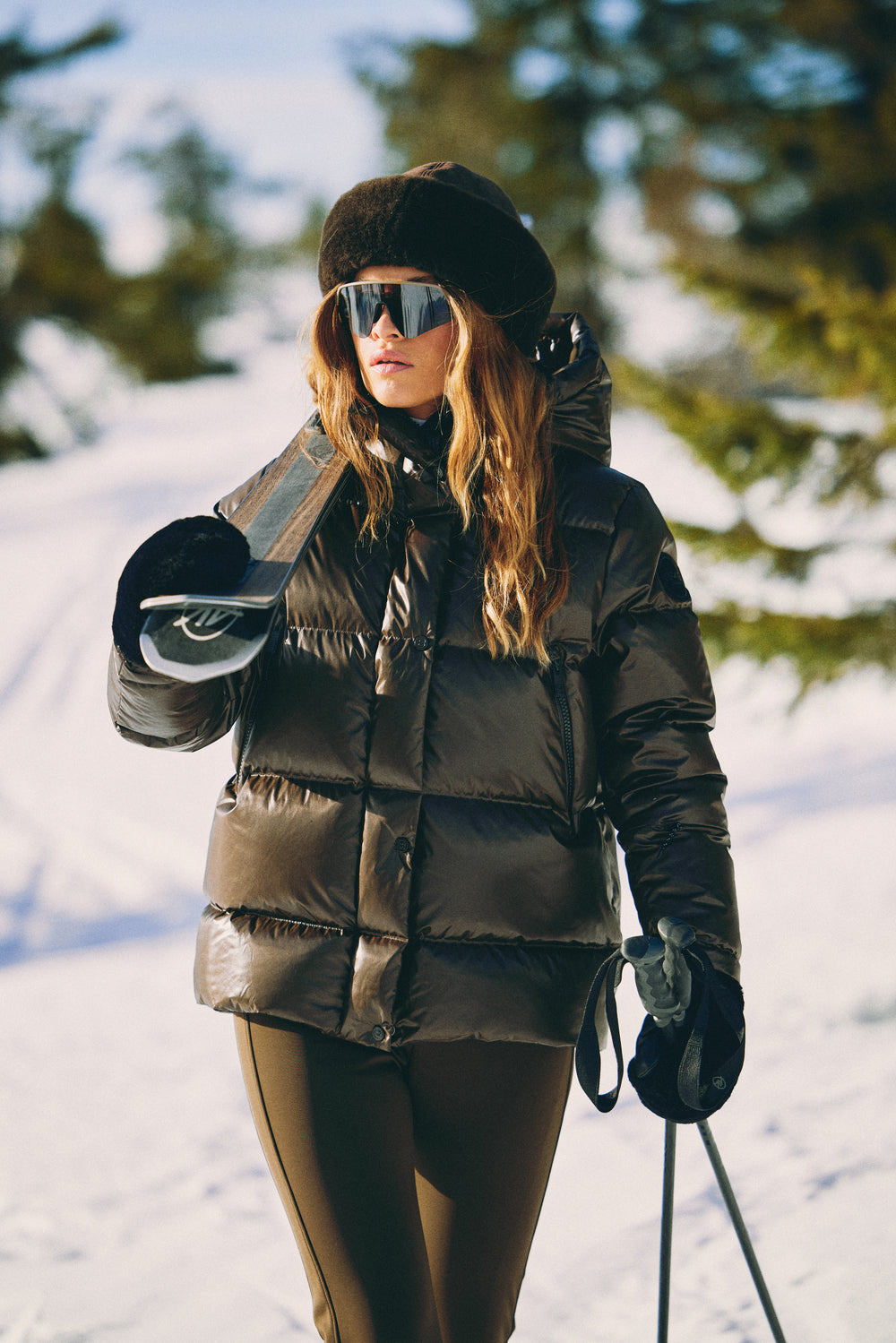
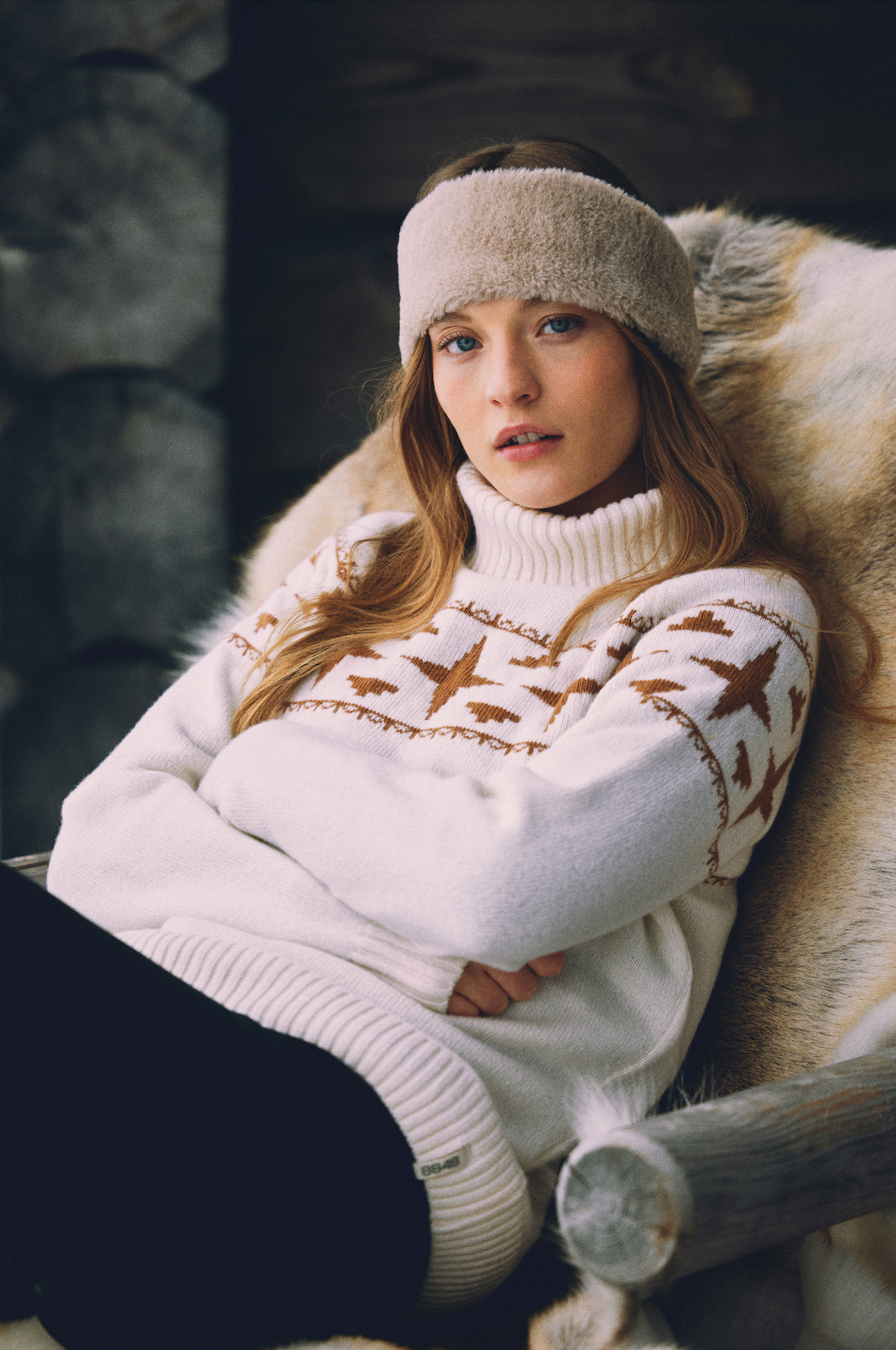
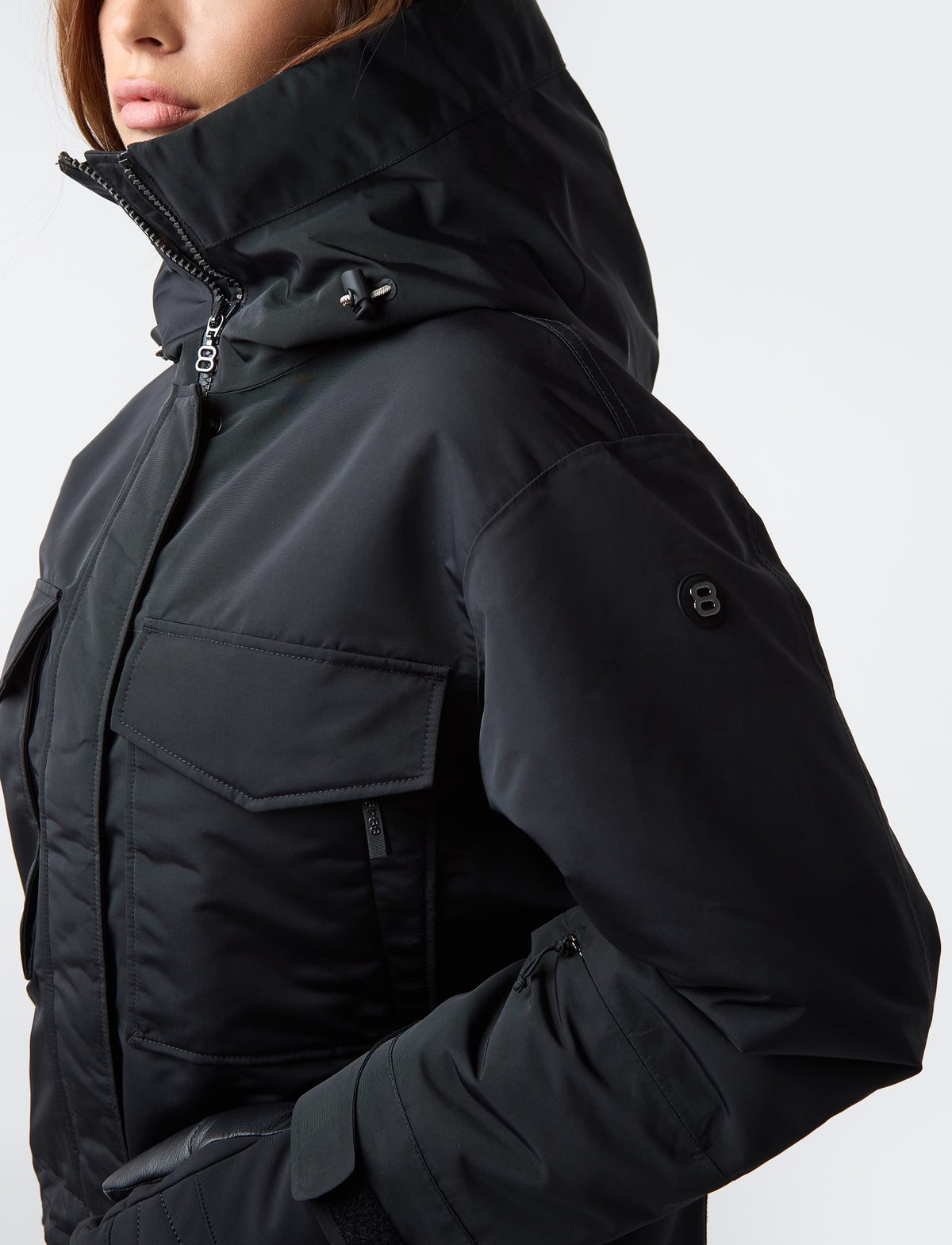
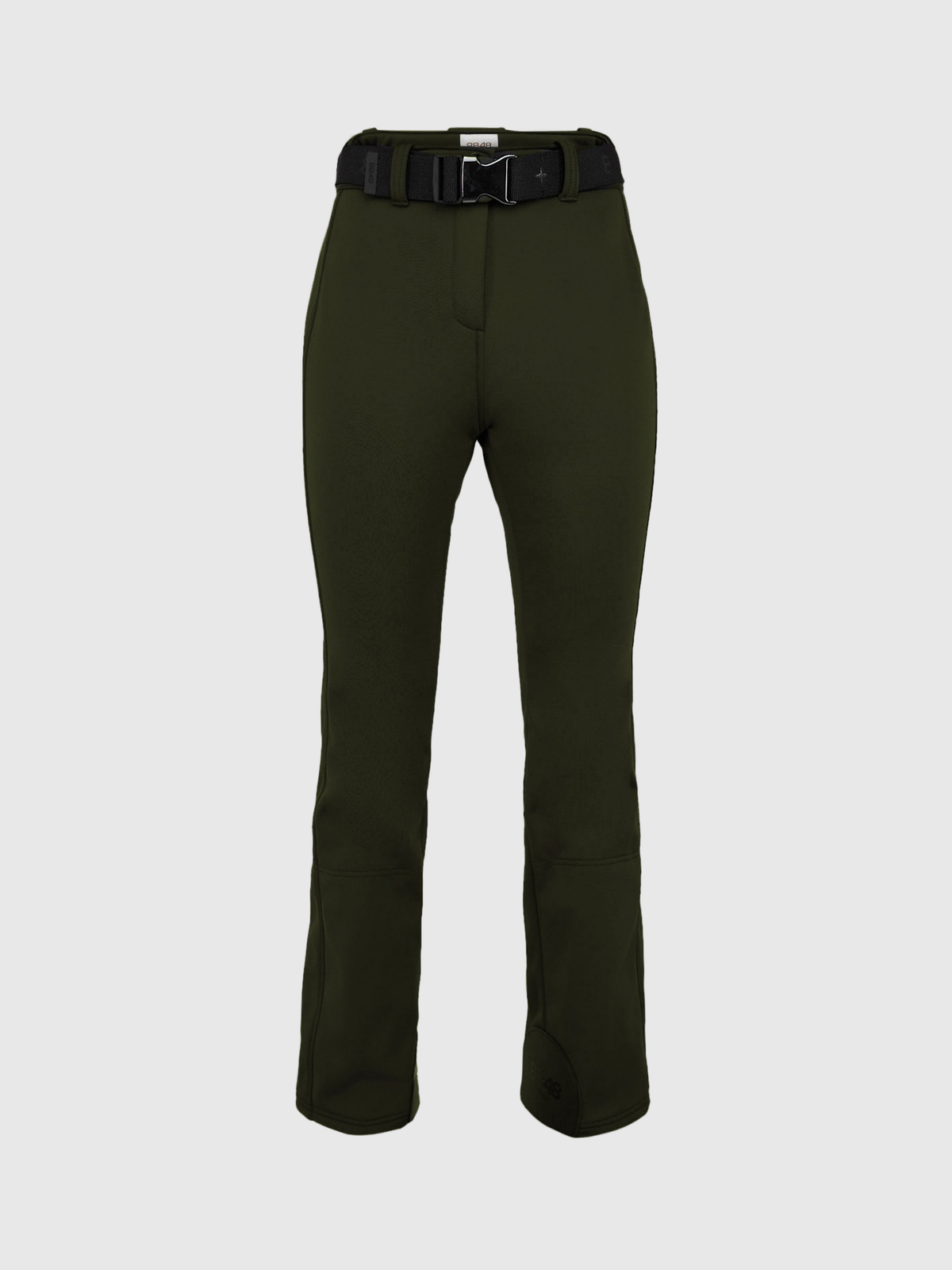
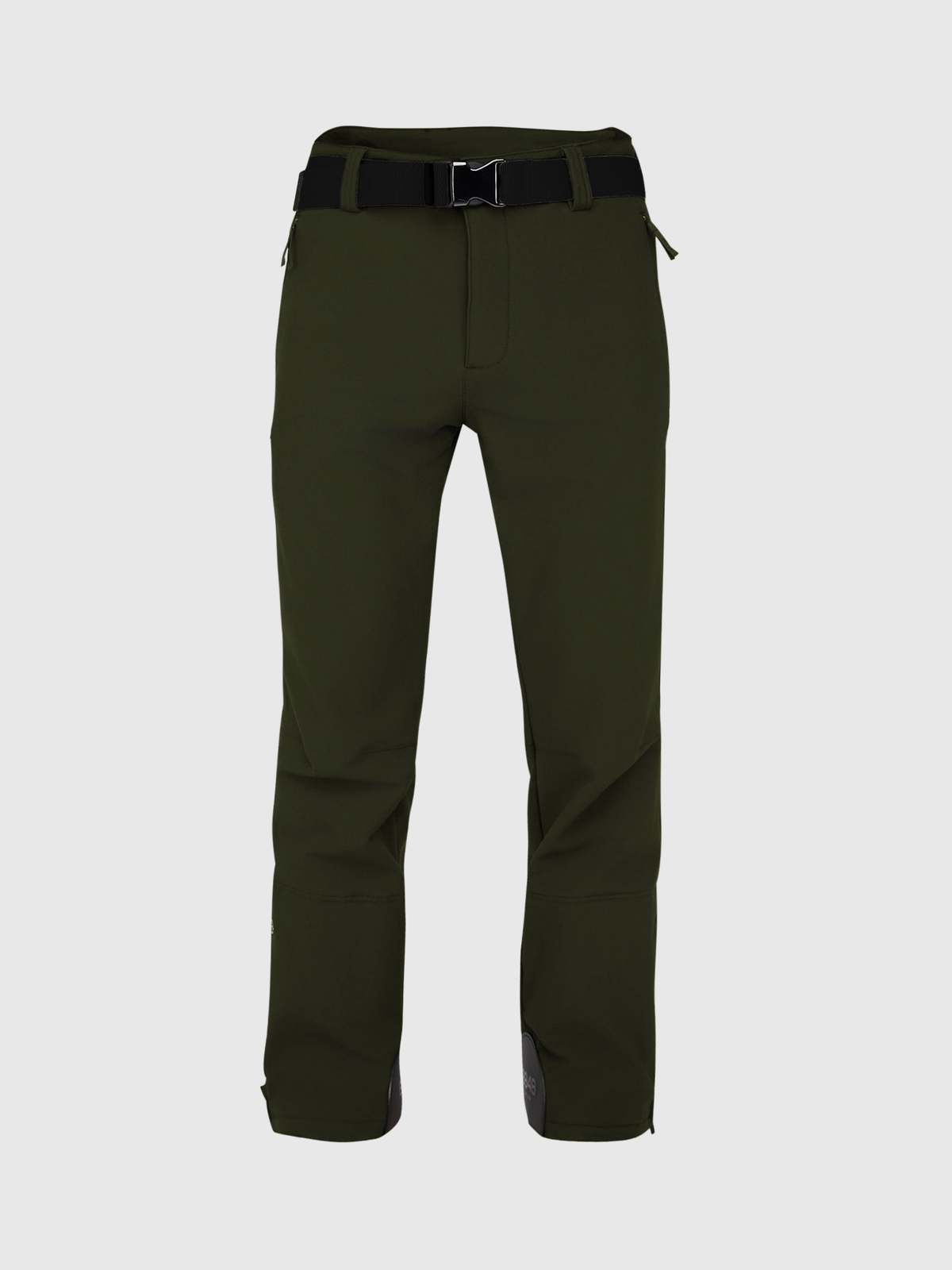
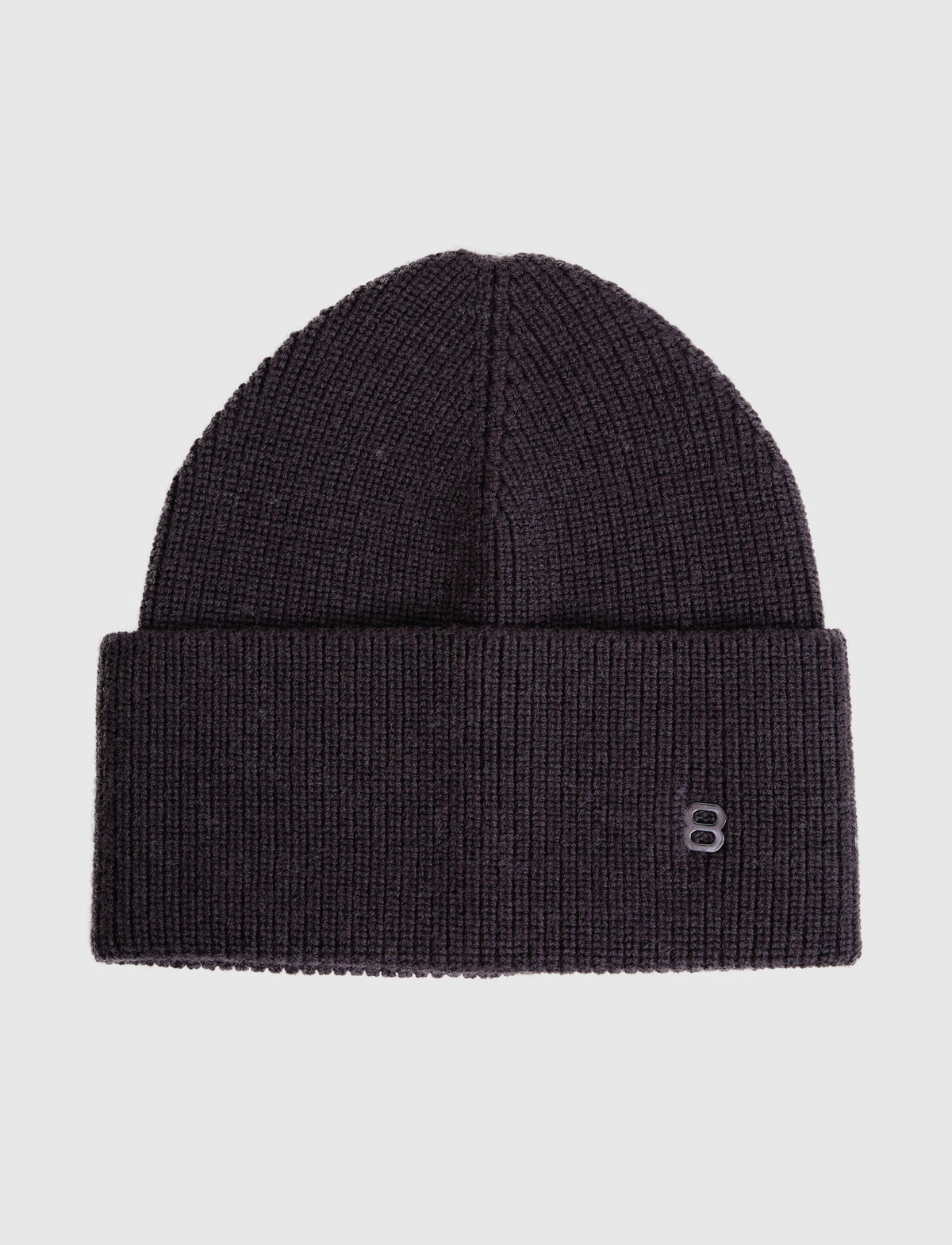
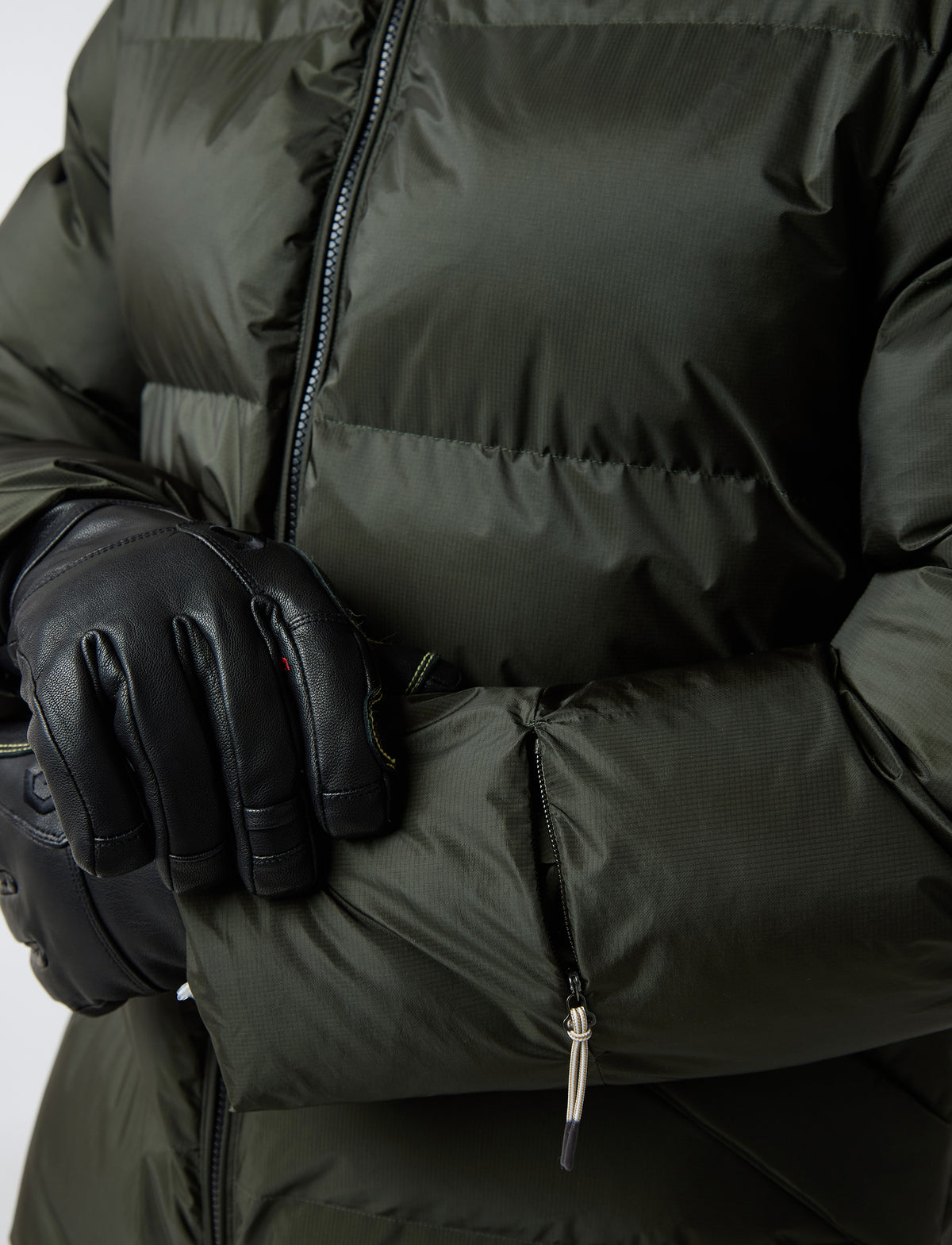
Why Quality Ski Wear Is Worth Investing InA good day on the mountain is rarely about just one thing. Conditions change, temperatures shift and every run brings something different. Your ski wear needs to work through all of it — allowing you to move freely, stay comfortable and focus on the skiing itself.For those who spend several weeks or weekends on the slopes each season, choosing ski clothing is about more than appearance. Materials, construction, fit and insulation all influence how a garment performs, while its design determines how naturally it fits into your ski wardrobe season after season.Quality is not simply a question of price. It is about how well a garment fulfils its purpose, how it is made and whether its features genuinely suit the way you ski.So, what should you look for when investing in ski wear? Performance Starts With the Right MaterialsOn the mountain, technical details have a practical purpose. Snow, wind, moisture and changing temperatures place different demands on your clothing throughout the day.The right materials help manage these conditions. Waterproof fabrics provide protection against moisture, breathability helps excess heat and moisture vapour escape, and wind-resistant construction can make a noticeable difference on exposed slopes and cold chairlift rides.These properties work together, but no single specification tells the whole story. Performance also depends on the garment's construction, the conditions in which it is used and the layers worn underneath.When comparing ski jackets, look beyond the outer appearance. Consider the waterproof and breathability ratings where available, the type of insulation and the level of weather protection offered by the construction.The objective is not to choose the garment with the most impressive list of technical features. It is to choose one with the right features for your skiing. Construction Is What Brings Performance TogetherA technical fabric is only part of the equation. How that fabric is cut, assembled and finished also matters.Seams, zippers, closures and reinforcements contribute to how a garment performs in use. Details such as adjustable cuffs, snow gaiters and a well-designed hood help manage the practical challenges of skiing, while thoughtfully positioned pockets keep essentials within easy reach.Fit and construction must work together, too. A jacket should allow room for the movement skiing demands without feeling unnecessarily bulky. Ski trousers should support a natural range of motion while remaining comfortable throughout the day.These are not details added simply to make a garment look technical. They should serve a clear purpose.At 8848 Altitude, the intention is to bring technical credibility and considered design together. The result should feel purposeful in use, with each detail contributing to the garment as a whole. Fit, Comfort and Freedom of MovementSkiing requires constant movement and adjustment. Your clothing should support that movement rather than compete with it.A jacket that restricts the shoulders or trousers that pull during a turn can become distracting over a full day on the slopes. The right fit allows you to move naturally, whether you are skiing actively, navigating changing terrain or spending time on the lifts.Layering also plays a role. Your outerwear needs to work with the base layers and mid-layers you intend to wear, without restricting movement or creating unnecessary bulk.Consider your own skiing habits when choosing a fit. How intensely do you ski? Which layers do you usually wear? Do you spend most of your time in cold conditions, or do you prefer a more flexible system that adapts throughout the day?The best ski wear is not necessarily the most heavily insulated or technically complex. It is the clothing that suits your needs and performs comfortably in the conditions you encounter. Insulation and Layering: Finding Your BalanceStaying warm on the mountain is not simply a matter of choosing the thickest jacket. Your activity level, the weather and the clothing worn underneath all influence how comfortable you feel.Insulated ski jackets offer integrated warmth, making them a practical option for skiers who prefer a straightforward system. Shell jackets provide another approach, allowing you to adjust warmth by combining your outerwear with suitable base layers and mid-layers.Neither approach is automatically better. The right choice depends on how and where you ski.If you often ski in cold conditions or spend long periods on chairlifts, insulation may be a priority. If your activity level varies or you regularly encounter changing temperatures, a layering system can offer greater flexibility.Ventilation features can also help release excess heat when conditions or activity levels demand it.Thinking about insulation as part of a complete clothing system makes it easier to choose ski wear that works for you, rather than relying on a single garment to do everything. For frequent skiers, the value of ski wear extends beyond the first day on the mountain. How a garment holds up through repeated use is an important part of the investment.Friction, movement, packing, washing and exposure to changing weather all place demands on clothing. Materials and construction suited to these demands can help a garment maintain its function and appearance over time.Care matters as well. Follow the manufacturer's washing instructions, clean garments when necessary and maintain the water-repellent finish according to the product's care guidance. Where possible, repairing minor damage can also help extend a garment's useful life.Of course, no garment lasts indefinitely. Its lifespan depends on its materials, construction, frequency of use, care and the conditions in which it is worn.But choosing ski wear that genuinely suits your needs — and looking after it properly — can make a difference over multiple seasons.This is one reason to look beyond the initial purchase price. The question is not just what a garment costs today, but how well it serves you over time. What Does Quality Ski Wear Really Cost?Premium ski wear can require a greater initial investment than entry-level alternatives. Whether that investment makes sense depends on how often you ski, the performance you need and how long you use your clothing.One way to put the price into perspective is to consider the cost per skiing day.For example, a jacket costing €600, worn for 30 days per season over five seasons, has a theoretical cost of €4 per skiing day.A jacket costing €300, worn for 10 days per season over three seasons, has a theoretical cost of €10 per skiing day.These examples are illustrative, not predictions of product lifespan. They demonstrate how frequency of use and useful lifespan can influence the overall cost of a purchase.Price alone does not determine quality, and a higher price does not automatically make a garment the better choice. What matters is whether the materials, construction, fit and features justify the investment for your needs.For someone who skis frequently, choosing clothing based on performance and long-term value can be more useful than focusing on the lowest initial price. Technical Performance, Refined DesignSki wear has a clear purpose on the mountain. But performance and appearance do not need to be separate considerations.For many experienced skiers, the ideal ski outfit combines dependable functionality with a clean, considered design. Proportions, colour combinations and purposeful details all contribute to a look that feels right on the slopes without relying on short-lived trends.Versatility matters here, too. A jacket that works naturally with different ski trousers, or a mid-layer that complements several outfits, gives you more flexibility when putting together your ski wardrobe.Choosing a design you genuinely enjoy wearing can also contribute to its long-term value. Clothing that continues to feel relevant to your personal style is more likely to remain a considered part of your wardrobe. Founded in Sweden in 1990, 8848 Altitude brings together alpine heritage and a Scandinavian approach to design. The philosophy is straightforward: technical performance should be credible, details should have a purpose and refinement should never come at the expense of function.Because good ski wear should do more than look the part. It should earn its place on the mountain. Choose Ski Wear That Works for YouInvesting in quality ski wear starts with understanding what matters most to you.Consider the conditions in which you ski, the level of protection and insulation you need, how your clothing fits and moves, and how the garment is constructed. Look beyond the price tag to the features that serve a genuine purpose and the care required to maintain them.For those who return to the mountain season after season, these details make a difference. Not because the most expensive garment is always the best, but because well-chosen ski wear should support the way you ski.At 8848 Altitude, performance and refinement belong together. Every choice — from technical materials to fit and design — should contribute to clothing made for real conditions on the mountain.Discover 8848 Altitude ski wear and find the pieces that suit your next days on the mountain.